The medical device sector is often characterized by high-tech imaging and robotic surgery, but some of its most critical components are foundational, high-volume consumables essential for daily patient care. The Disposable Urine Bags Market represents one such vital segment. Essential for managing urinary incontinence, post-operative recovery, and chronic conditions requiring catheterization, these devices play a crucial role in patient hygiene, comfort, and infection control.
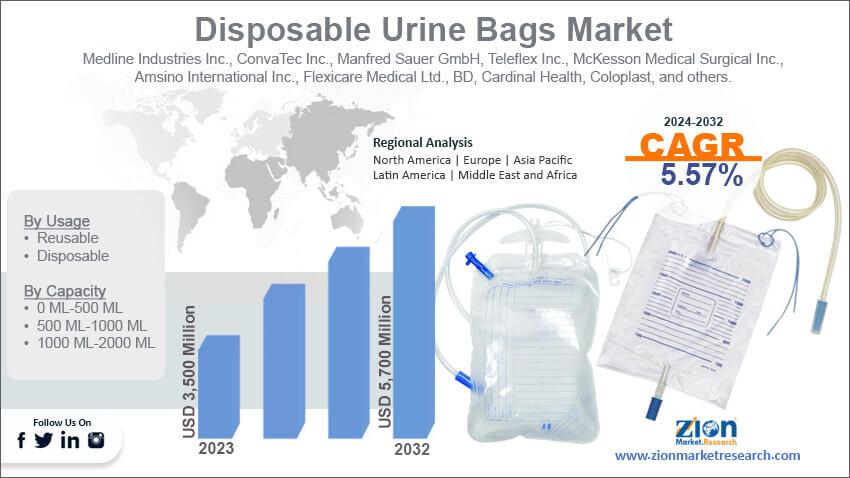
Currently, the global disposable urine bags market is experiencing steady, reliable growth. Far from being a stagnant commodity market, it is evolving through demographic shifts, changing healthcare delivery models, and subtle yet significant product innovations. This article provides a detailed analysis of the market drivers, segmentation, regional dynamics, and future outlook.
The Core Market Drivers: Demographics and Disease Burden
The expansion of the disposable urine bags market is primarily underpinned by powerful, irreversible global trends.
1. The Silver Tsunami: An Aging Global Population The single most significant driver is demographic. According to the World Health Organization (WHO), the global population aged 60 years and older is growing faster than all other age groups. With advanced age comes an increased prevalence of conditions necessitating urinary management, including incontinence, benign prostatic hyperplasia (BPH), and mobility issues. The geriatric population forms the primary user base for both bedside drainage bags in long-term care facilities and discreet leg bags for active seniors.
2. Rising Prevalence of Chronic Urological Disorders Beyond aging, the incidence of chronic diseases is rising. Conditions such as bladder cancer, kidney stones, spinal cord injuries, and severe diabetes often require temporary or long-term catheterization. The increasing burden of these diseases directly correlates with the demand for reliable urine collection systems.
3. The Critical Imperative of Infection Control In hospital settings, Catheter-Associated Urinary Tract Infections (CAUTIs) are among the most common healthcare-acquired infections, leading to extended stays, increased costs, and higher patient mortality. This has shifted market preference decisively toward high-quality, disposable bags over reusable options. Modern disposable bags, particularly “closed systems” with anti-reflux valves (preventing urine backflow) and needle-free sample ports, are essential tools in hospital infection control protocols.
4. The Shift Towards Home Healthcare Healthcare systems globally are attempting to reduce costs by discharging patients sooner and managing chronic conditions at home. This trend fuels the demand for user-friendly disposable bags that patients or caregivers can manage easily outside a clinical setting. It particularly boosts the segment for leg bags and comfortable, discreet wearable options.
Market Segmentation: Understanding the Landscape
The market is diversified based on product design, intended use, and end-user environments.
By Product Type:
-
Leg Bags: Designed for mobility, these are strapped to the thigh or calf and worn under clothing. They are crucial for maintaining the quality of life for ambulatory patients. Innovation here focuses on comfort (soft fabric backing), securement (better straps), and discretion.
-
Bedside/Drainage Bags: Larger capacity bags (typically 2000ml+) used for bedridden patients in hospitals or at home during the night. The focus here is on secure hanging systems, clear volume markings, and robust anti-reflux mechanisms.
By Usage:
-
Day Use: Smaller capacity, prioritizing mobility and discretion.
-
Night Use: High capacity to allow for uninterrupted sleep.
By End-User:
-
Hospitals and Clinics: The largest segment by volume, driven by surgical procedures and acute care admissions. Procurement is often cost-sensitive and done through large group purchasing organizations (GPOs).
-
Home Healthcare: The fastest-growing segment. Demand is driven by chronic care management and consumer preference for ease of use.
-
Long-term Care Facilities/Nursing Homes: A consistent, high-volume segment catering to the geriatric population.
Challenges and Restraints
Despite strong growth drivers, the market faces distinct challenges.
Environmental Sustainability Concerns: The very nature of the product—disposable medical plastic— creates a significant environmental footprint. As hospitals adopt greener procurement policies and regulations on medical waste tighten, manufacturers are under pressure to develop biodegradable materials or more sustainable production processes without compromising hygiene or affordability.
Intense Pricing Pressure and Commoditization: The market is highly fragmented with numerous local and international players. In many regions, standard urine bags are viewed as commodities, leading to intense price competition. Manufacturers struggle to maintain margins unless they can differentiate through superior product features or bundled service offerings.
Regional Market Dynamics
-
North America and Europe: These regions currently hold the largest market share due to sophisticated healthcare infrastructure, high healthcare spending, and large aging populations. The focus in these mature markets is on premium products that offer superior infection control and patient comfort.
-
Asia-Pacific: This is the fastest-growing region. Massive populations in China and India, rapidly aging demographics, and expanding access to healthcare services are driving unprecedented demand. Currently, cost-efficiency is paramount in this region, but demand for higher-quality imports is rising in urban centers.
Competitive Landscape and Future Outlook
The competitive landscape involves major multinational medical device corporations competing with regional manufacturers. Key players like Becton, Dickinson and Company (BD), Coloplast Corp, Cardinal Health, Hollister Incorporated, and Teleflex Incorporated dominate the high-end segments.
Strategies for Success: Leading companies are moving beyond simple price competition. Strategies include:
-
Innovation in Patient Comfort: Developing bags with softer, non-irritating materials, better tube lengths, and more secure, comfortable leg straps.
-
Focus on “Closed Systems”: Marketing integrated catheter-and-bag systems that reduce the need for disconnection, thereby lowering infection risks.
-
Strategic Acquisitions: Larger players are acquiring smaller companies specializing in home care or niche urological products to broaden their portfolios.
Conclusion
The Disposable Urine Bags Market is a critical, stable component of the wider medical device industry. While it may lack the glamour of high-tech sectors, its role in managing the realities of an aging global population and combating healthcare-acquired infections ensures its continued relevance. The market trajectory is positive, driven by undeniable demographic trends. The future market leaders will be those who can successfully navigate the delicate balance between maintaining affordability for overburdened healthcare systems while innovating to improve patient dignity and address growing environmental concerns.
Other Report Zion Market Research:
www.zionmarketresearch.com/de/report/fine-fragrances-market
www.zionmarketresearch.com/de/report/heparin-market
www.zionmarketresearch.com/de/report/upstream-bioprocessing-market
www.zionmarketresearch.com/de/report/elispot-and-fluorospot-assay-market
www.zionmarketresearch.com/de/report/cell-based-assay-market