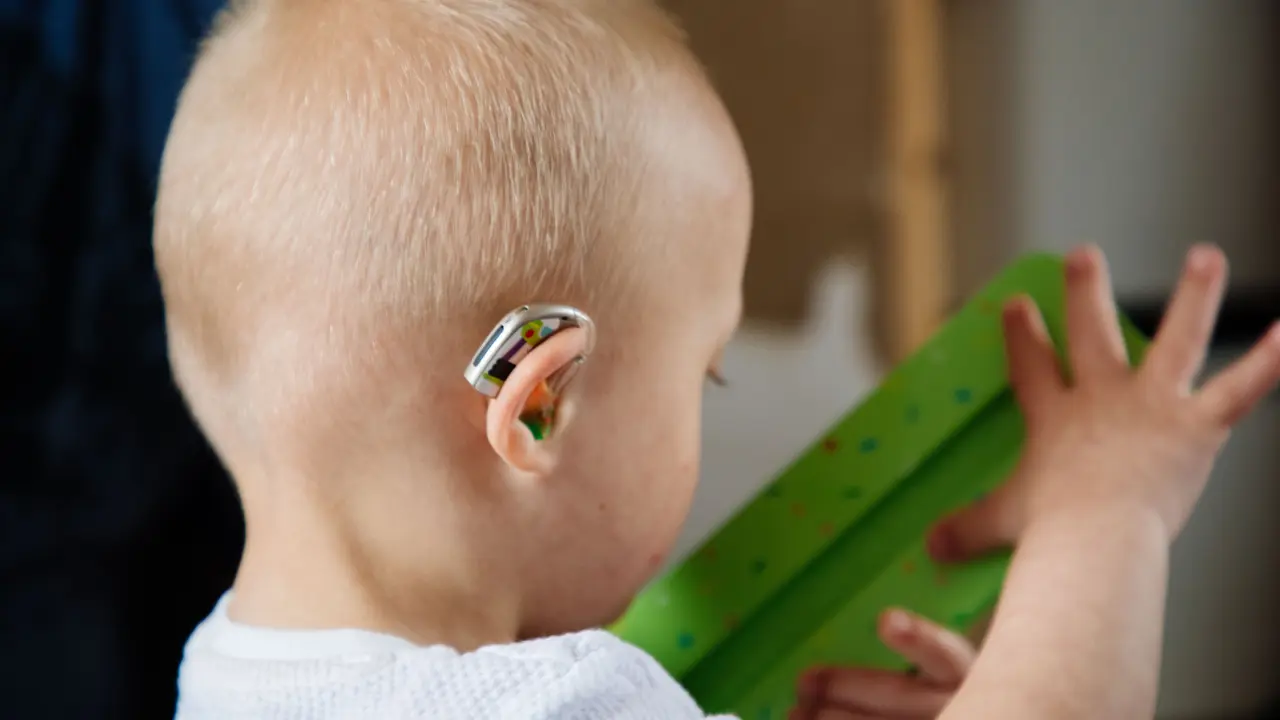
The Hearing Aids Market is witnessing steady growth worldwide, driven by the rising prevalence of hearing loss, an aging global population, and continuous technological advancements in auditory devices. Hearing aids play a critical role in improving quality of life by enhancing communication, social interaction, and overall well-being for individuals with hearing impairment. This market research article provides an in-depth analysis of market dynamics, segmentation, regional outlook, competitive landscape, and future trends shaping the hearing aids industry.
Market Overview
Hearing aids are electronic devices designed to amplify sound for people with partial hearing loss. They are widely used across age groups, from pediatric patients with congenital hearing issues to elderly individuals experiencing age-related hearing loss (presbycusis). The global hearing aids market has grown significantly over the past decade and is expected to continue expanding at a healthy compound annual growth rate (CAGR) over the forecast period.
Key factors contributing to market growth include increased awareness of hearing health, improved access to audiology services, and favorable reimbursement policies in several developed countries. Additionally, the integration of digital technologies such as artificial intelligence (AI), Bluetooth connectivity, and smartphone compatibility has enhanced user experience and boosted adoption rates.
Market Drivers
One of the primary drivers of the hearing aids market is the rising prevalence of hearing loss. According to global health estimates, hundreds of millions of people worldwide suffer from disabling hearing impairment, and this number is expected to increase due to population aging and prolonged exposure to noise pollution.
Another significant driver is the aging population. Elderly individuals are more prone to hearing loss, and with the global population aged 60 years and above increasing rapidly, demand for hearing aids is rising correspondingly.
Technological advancements are also fueling market growth. Modern hearing aids now offer features such as noise reduction, speech enhancement, rechargeable batteries, wireless streaming, and remote adjustments via mobile applications. These innovations have reduced stigma, improved comfort, and increased acceptance among users.
Market Restraints
Despite strong growth prospects, the hearing aids market faces certain challenges. High device costs remain a major barrier, particularly in low- and middle-income countries where hearing aids are often not covered by insurance. Advanced digital and AI-enabled hearing aids can be expensive, limiting affordability for a large portion of the population.
Additionally, lack of awareness and social stigma associated with wearing hearing aids in some regions can hinder market penetration. Limited access to trained audiologists in rural and underdeveloped areas also restricts adoption.
Market Segmentation
The hearing aids market can be segmented based on product type, technology, patient type, distribution channel, and region.
By product type, the market includes:
-
Behind-the-Ear (BTE) hearing aids
-
In-the-Ear (ITE) hearing aids
-
In-the-Canal (ITC) hearing aids
-
Completely-in-the-Canal (CIC) hearing aids
-
Receiver-in-the-Ear (RITE) hearing aids
Behind-the-ear and receiver-in-the-ear devices hold a significant market share due to their versatility, durability, and suitability for various levels of hearing loss.
By technology, the market is divided into analog and digital hearing aids, with digital devices dominating the market. Digital hearing aids offer superior sound quality, programmability, and connectivity, making them the preferred choice among consumers.
By patient type, the market is segmented into adult and pediatric hearing aids. Adult hearing aids account for the largest share due to the higher prevalence of age-related hearing loss.
By distribution channel, hearing aids are sold through hospitals, audiology clinics, retail stores, and online platforms. Audiology clinics remain the primary channel, although online sales are gaining traction due to convenience and growing acceptance of direct-to-consumer models.
Regional Analysis
Geographically, the hearing aids market is segmented into North America, Europe, Asia-Pacific, Latin America, and the Middle East & Africa.
North America holds a prominent share of the global market, supported by high awareness levels, advanced healthcare infrastructure, and favorable reimbursement policies. The presence of leading hearing aid manufacturers further strengthens the region’s market position.
Europe follows closely, driven by an aging population and government initiatives promoting hearing health. Countries such as Germany, the UK, and France contribute significantly to regional growth.
The Asia-Pacific region is expected to witness the fastest growth during the forecast period. Factors such as a large population base, increasing disposable income, rising healthcare expenditure, and growing awareness of hearing disorders are driving demand in countries like China, India, and Japan.
Latin America and the Middle East & Africa represent emerging markets with considerable growth potential, although limited access to healthcare services and affordability challenges may restrain growth to some extent.
Competitive Landscape
The hearing aids market is highly competitive and characterized by the presence of several global and regional players. Key companies focus on product innovation, strategic partnerships, mergers and acquisitions, and geographic expansion to strengthen their market position.
Major players in the market include:
-
Sonova Holding AG
-
Demant A/S
-
WS Audiology
-
GN Store Nord A/S
-
Starkey Laboratories
These companies invest heavily in research and development to introduce technologically advanced and user-friendly hearing solutions. Customization, miniaturization, and integration with digital ecosystems are key competitive strategies.
Emerging Trends
Several trends are shaping the future of the hearing aids market. The rise of over-the-counter (OTC) hearing aids is transforming the industry by improving accessibility and reducing costs for consumers with mild to moderate hearing loss.
The adoption of AI and machine learning is enabling personalized sound processing and real-time environmental adaptation. Rechargeable hearing aids are also gaining popularity due to convenience and sustainability.
Additionally, the convergence of hearing aids with consumer electronics, such as true wireless earbuds and health-monitoring devices, is blurring the lines between medical devices and lifestyle products.
Future Outlook
The global hearing aids market is poised for sustained growth over the coming years. Increasing awareness of hearing health, supportive government initiatives, and continuous technological innovation will drive market expansion. While affordability and accessibility challenges persist, emerging business models and regulatory changes are expected to improve market penetration, especially in developing regions.
In conclusion, the Hearing Aids Market represents a dynamic and evolving industry with strong growth potential. Companies that focus on innovation, affordability, and user-centric design are likely to gain a competitive edge in this expanding global market.
Other Report Zion Market Research:
www.zionmarketresearch.com/de/report/sports-wheelchair-market
www.zionmarketresearch.com/de/report/pain-management-drugs-market
www.zionmarketresearch.com/de/report/mobile-gambling-market
www.zionmarketresearch.com/de/report/pet-boarding-services-market
www.zionmarketresearch.com/de/report/electric-motorcycle-market