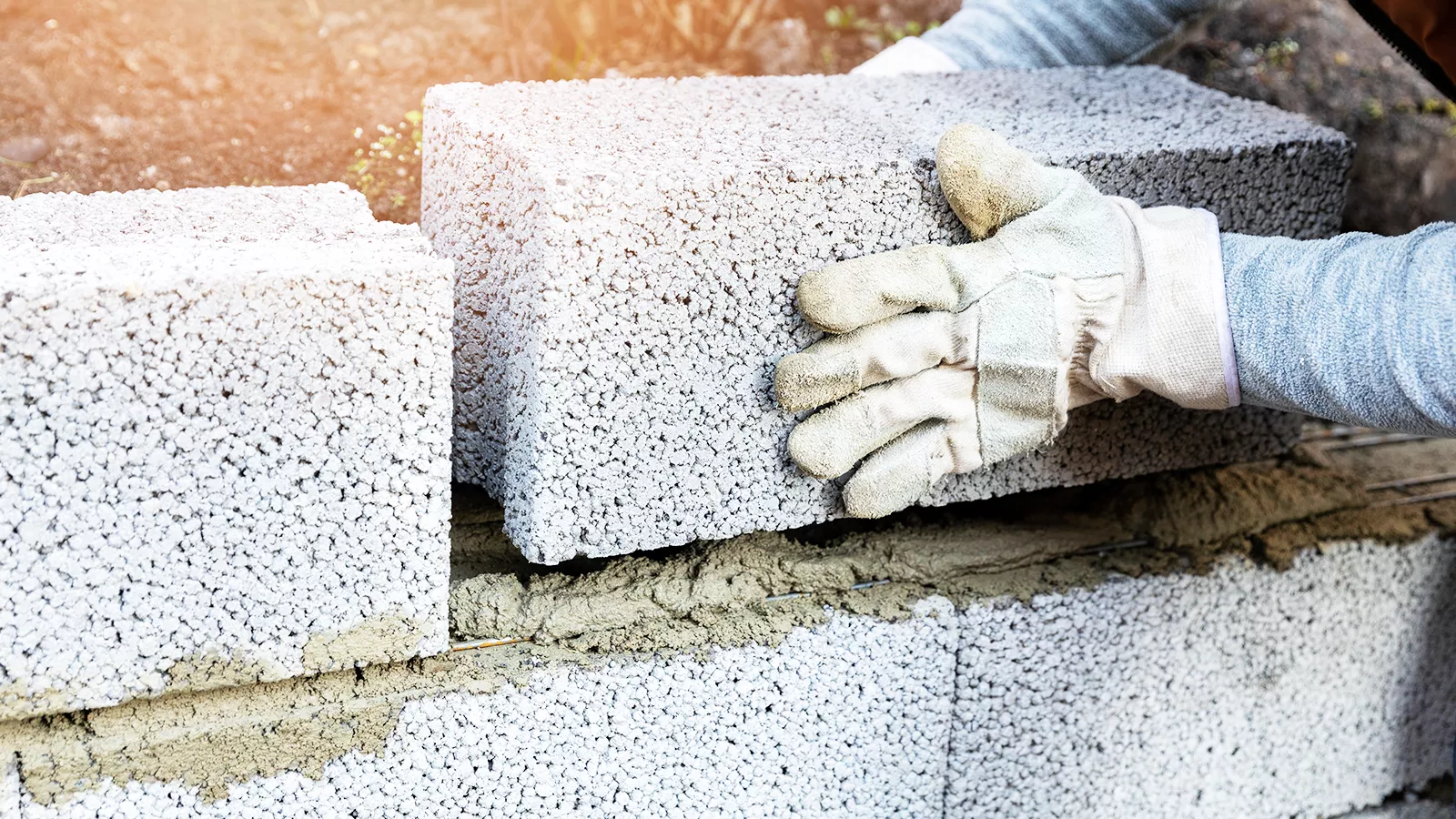
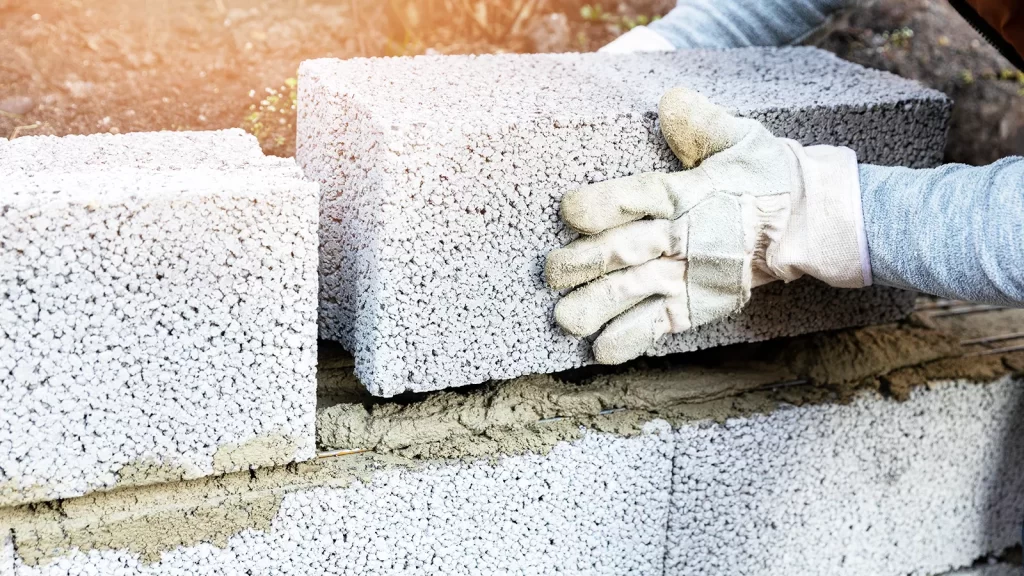
The Lightweight Aggregate Concrete Market is an increasingly important segment of the global construction materials industry, driven by the growing need for sustainable, cost-effective, and high-performance building solutions. Lightweight aggregate concrete (LWAC) is produced by replacing conventional natural aggregates with lightweight materials such as expanded clay, shale, slate, pumice, perlite, vermiculite, or sintered fly ash. This substitution significantly reduces the density of concrete while maintaining adequate strength, durability, and workability, making it ideal for modern construction applications.
Market Overview
Lightweight aggregate concrete is widely used in both structural and non-structural applications, including residential buildings, commercial complexes, industrial facilities, bridges, and infrastructure projects. The reduced weight of LWAC lowers the dead load on structures, which can result in smaller foundations, reduced reinforcement requirements, and lower overall construction costs. Additionally, LWAC offers enhanced thermal and acoustic insulation, fire resistance, and improved seismic performance.
As urbanization accelerates and cities expand vertically, the demand for materials that support high-rise construction and sustainable development is rising. This trend is positioning the Lightweight Aggregate Concrete Market as a key contributor to next-generation construction practices.
Key Market Drivers
One of the primary drivers of the Lightweight Aggregate Concrete Market is the increasing emphasis on sustainable and green construction. Lightweight aggregate concrete often incorporates recycled or industrial by-products, reducing environmental impact and supporting circular economy principles. Many green building certifications recognize LWAC for its energy efficiency and reduced carbon footprint.
The rapid growth of urban infrastructure is another significant factor. Governments across the world are investing heavily in transportation networks, commercial buildings, and residential housing, all of which benefit from lightweight concrete’s structural efficiency and durability.
Additionally, the need for improved seismic resistance in earthquake-prone regions is boosting market demand. Lightweight aggregate concrete reduces inertial forces during seismic events, improving building safety and performance.
Market Restraints
Despite its advantages, the Lightweight Aggregate Concrete Market faces certain challenges. The initial cost of lightweight aggregates is generally higher than traditional aggregates, which may discourage adoption in cost-sensitive markets. Limited availability of lightweight aggregate production facilities in some regions also restricts market growth.
Moreover, specialized knowledge is required for mix design and placement of LWAC, which can increase labor and training costs. However, these restraints are gradually being addressed through technological advancements and increased awareness.
Market Segmentation
The Lightweight Aggregate Concrete Market is segmented based on aggregate type, application, and end-use industry.
By aggregate type, expanded clay and expanded shale dominate the market due to their high strength-to-weight ratio and consistent quality. Pumice and perlite are commonly used in insulation and non-structural applications, while sintered fly ash is gaining traction due to its sustainability benefits.
In terms of application, structural concrete accounts for a major share of the market, especially in high-rise buildings and bridge construction. Non-structural applications include partition walls, roof screeds, and insulation layers.
By end-use industry, the market serves residential, commercial, industrial, and infrastructure sectors. Infrastructure projects such as bridges, flyovers, and marine structures are emerging as high-growth segments.
Regional Analysis
Europe and North America represent mature markets for lightweight aggregate concrete, driven by strict building regulations, sustainability goals, and advanced construction practices. These regions have well-established supply chains and high awareness of LWAC benefits.
The Asia-Pacific region is expected to witness the fastest growth in the Lightweight Aggregate Concrete Market. Rapid urbanization, population growth, and large-scale infrastructure development in countries such as China, India, and Southeast Asia are fueling demand.
Middle East & Africa is another promising region, with increasing use of LWAC in high-rise buildings and large infrastructure projects. Latin America is gradually adopting lightweight concrete as construction standards improve.
Technological Advancements
Technological innovation plays a crucial role in the expansion of the Lightweight Aggregate Concrete Market. Advances in aggregate manufacturing techniques have improved consistency, strength, and durability. Modern mix design technologies enable optimized performance while reducing material usage.
The integration of LWAC with prefabricated and modular construction methods is also gaining momentum. Prefabrication enhances quality control, reduces construction time, and minimizes waste, further strengthening the appeal of lightweight aggregate concrete.
Competitive Landscape
The Lightweight Aggregate Concrete Market is moderately competitive, with a mix of global manufacturers and regional suppliers. Key players focus on product quality, sustainability, and long-term partnerships with construction companies.
Strategies such as capacity expansion, mergers and acquisitions, and investment in research and development are commonly adopted. Companies are also emphasizing compliance with environmental regulations and green building standards to gain a competitive advantage.
Sustainability and Environmental Impact
Sustainability is a central theme in the Lightweight Aggregate Concrete Market. Reduced raw material consumption, lower transportation costs due to lighter weight, and improved building energy efficiency all contribute to environmental benefits. The use of recycled materials and industrial by-products further enhances sustainability credentials.
Future Outlook
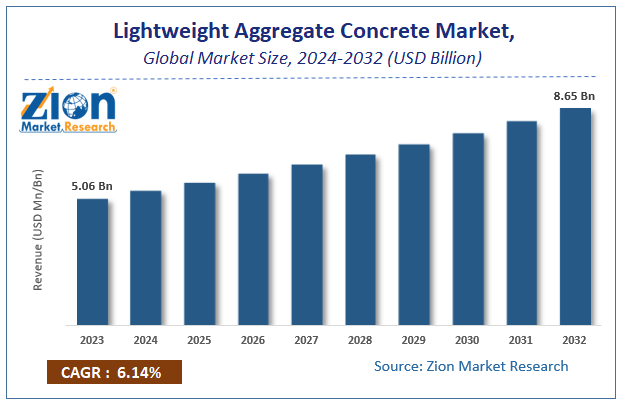
The Lightweight Aggregate Concrete Market is expected to grow steadily over the coming years, supported by increasing infrastructure investments, urban development, and environmental regulations. Growing awareness of life-cycle cost benefits and performance advantages will further boost adoption.
Emerging economies are likely to present significant growth opportunities as governments modernize infrastructure and adopt sustainable construction materials.
Conclusion
In conclusion, the Lightweight Aggregate Concrete Market represents a vital and evolving segment of the global construction industry. Its advantages in weight reduction, sustainability, and structural performance make it well-suited for modern building requirements. While challenges related to cost and availability remain, continuous innovation, regulatory support, and rising demand for green construction solutions are expected to drive long-term market growth worldwide.
Other Report Zion Market Research:
www.zionmarketresearch.com/de/report/superabrasive-market
www.zionmarketresearch.com/de/report/projector-screen-market
www.zionmarketresearch.com/de/report/bariatric-surgery-market
www.zionmarketresearch.com/de/report/permanent-magnet-market
www.zionmarketresearch.com/de/report/high-purity-hoses-market